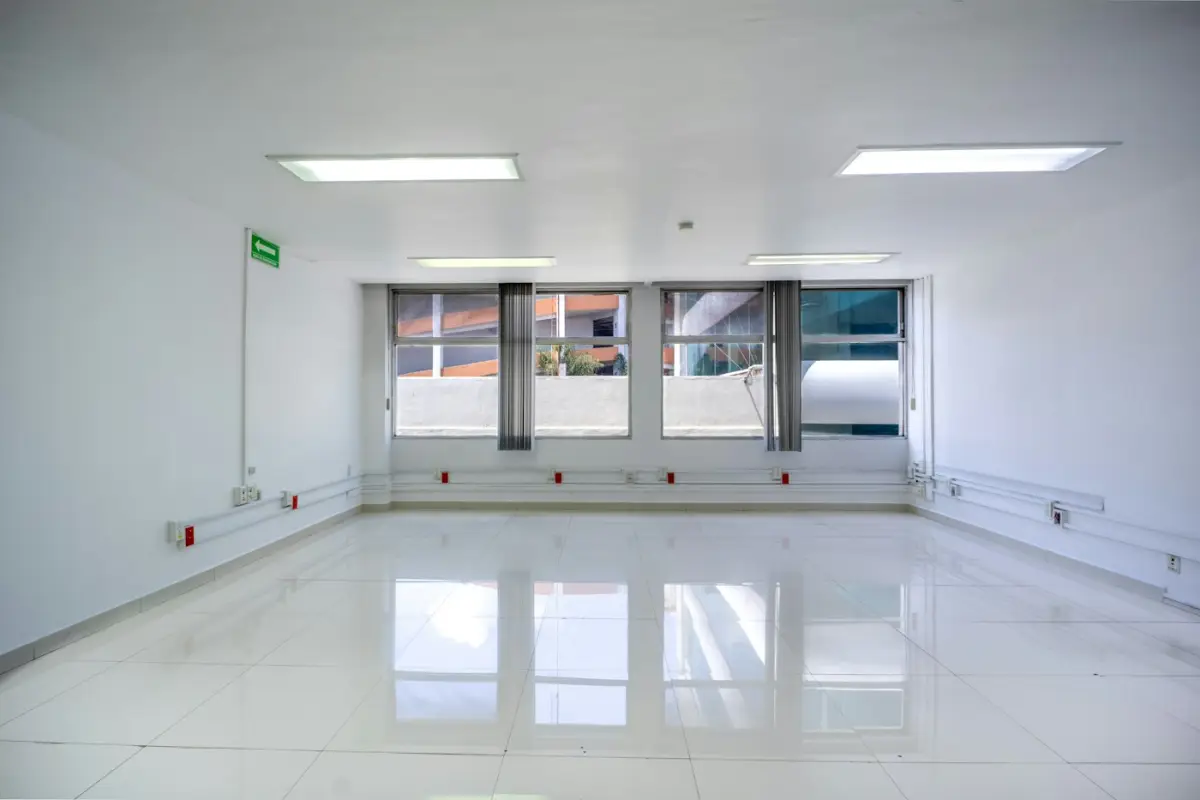
The end of an office lease has two parts. The first is moving into the new premises, the second is handing over the old ones. The second is often underestimated, yet it determines whether you get your deposit back and whether you part with the landlord without disputes.
Note: your lease agreement is always decisive. This article summarises what is usually considered and does not replace legal advice.
Start with the lease agreement
Before you start clearing anything, read what the lease says about its termination:
- The handover date and whether it is a specific day or a period.
- Condition at handover: whether you return the premises in their original condition or taking normal wear and tear into account.
- Alterations you made: partitions, cabling, air conditioning, a kitchenette. Some leases require their removal, others leave them to the landlord.
- The deposit: when and under what conditions it is returned.
- The handover report: who signs it and what it contains.
What to clear and where it goes
When clearing an office, things usually fall into four groups:
- Moving: furniture and equipment going to the new premises.
- Usable elsewhere: functional furniture you do not need. It can be offered for sale or donated.
- Waste: broken furniture, carpets, boxes. Taken away for disposal.
- Electronic waste: computers, monitors, printers, cables. These belong to environmentally sound disposal, not regular waste.
The most efficient approach is to combine the clearance with the move: during the site visit you mark what goes to the new premises and what goes away, and everything happens on the same date.
Computers and data
Old computers, laptops, printers with a hard drive and network storage contain data. Before disposal or sale, the data must be securely deleted or the disks destroyed. If the company processes personal data, it is good to keep a record of this. Do not put equipment in a skip, even if it looks broken.
Restoring the premises
After the clearance, what usually remains is to:
- remove notice boards, shelves and brackets from the walls and fill the holes, if the lease requires it,
- remove your own cabling if the landlord does not want to keep it,
- repaint, if the lease says so,
- clean, including the kitchenette, toilets and the basement storage unit,
- return keys, access cards and parking remotes.
Handover report and photos
At the handover, walk through the premises together with the landlord's representative. Record in the report the condition of the rooms, meter readings (electricity, water, heating), the number of keys and cards returned and any defects. Take your own dated photos of every room. If a dispute about the condition of the premises comes up later, photos from the handover are the best evidence.
Time buffer
Do not leave the clearance to the last day of the lease. Ideally the move happens a weekend or two earlier, the rest is cleared, cleaned and repaired in the last days, and a calm day remains for the handover. If the date cannot be moved, arrange the clearance and the move as one job, so you are not waiting for two companies.
Handover checklist
- premises empty, including basement, attic and storage room,
- electronics disposed of in an environmentally sound way, data deleted,
- walls and floors in the condition required by the lease,
- cleaning done,
- keys, cards and remotes ready to be returned,
- meter readings taken,
- your own photos of every room,
- signed handover report.
Deposit and service charges
After the handover there is usually a settlement of service charges (energy, water, heating, cleaning of common areas) and the return of the deposit, possibly after deducting the cost of repairs. Keep the handover report, photos and meter readings until everything is settled. If the landlord does not return the deposit or deducts amounts that do not match the report, the photos from the handover are the strongest argument.
When to start the clearance
An indicative schedule for a medium-sized office:
- Two to three months ahead: read the lease, find out the landlord's requirements for the condition of the premises, decide what is being moved.
- One month ahead: offer unneeded furniture for sale or donation, book the clearance and, if needed, painters and cleaning.
- Two weeks ahead: arrange environmentally sound disposal of electronics and data deletion.
- One week ahead to the last days: the move, clearing the rest, repairs, cleaning.
- Handover day: joint inspection, report, photos, keys.
Furniture: sell, donate or dispose of
Good quality office furniture, such as height-adjustable desks or ergonomic chairs, still has value when used. It can be offered to a used furniture buyer, to other companies or donated to a non-profit organisation or school. Cheap flat-pack furniture that gets damaged when taken apart usually ends up being disposed of. Decide early enough, because selling or donating needs time to arrange.
Common points of dispute at handover
When handing over offices, the most common issues are:
- holes in walls from shelves, notice boards and TVs,
- damaged carpet or flooring under chair wheels,
- traces of tape and stickers on glass and doors,
- missing keys to lockers and office doors,
- items forgotten in the basement storage unit or a shared storeroom.
If you go through these points yourself in advance, the handover is usually quick and free of arguments.
How office clearance works with us is described on the office clearance page.
Is your lease ending?
Tell us the handover date and what needs to be removed. We will suggest a date for the clearance, possibly together with the move.
Related service: Office clearance